Difference Between Spay and Neuter for Dogs and Cats
Difference Between Spay and Neuter for Dogs and Cats
If you are a pet owner in Norwalk, you may have heard your veterinarian talk about spaying and neutering your dog or cat. But what exactly is the difference between spay and neuter procedures, and why are they so important for your pet’s health? At AM PM Spay & Neuter Clinic, we believe that understanding these routine surgeries can help you make the best choices for your four-legged friend. In this guide, we will explore what each procedure involves, how they benefit dogs and cats, and why choosing a trusted veterinary team in Norwalk is key to keeping your pet healthy and safe. Whether you are preparing for your pet’s first surgery or simply researching the best preventive care, we will help you feel confident and informed. If you are interested in learning more about our spay and neuter veterinary services, our team is always here to answer your questions.
Recognizing When Spay or Neuter Is Needed for Your Pet
Many pet owners wonder when the right time is to schedule a spay or neuter procedure. The decision often depends on your pet’s age, breed, health status, and lifestyle, but the main goal is to prevent unwanted litters and support your pet’s long-term wellbeing. Female pets that have not been spayed may go into heat several times a year, which can result in behavioral changes such as restlessness, vocalizing, and seeking out male animals. You might notice your female dog or cat becoming more affectionate or even attempting to escape your home to find a mate. For male pets, signs that neutering could be beneficial include roaming, marking territory with urine, mounting behaviors, and sometimes increased aggression toward other animals. These behaviors can be especially challenging in multi-pet households or in neighborhoods where stray animals are common.
If your pet is approaching sexual maturity, which can be as early as four to six months for cats and six to twelve months for most dogs, it is a good time to talk to your veterinarian about the benefits of spay or neuter surgery. Early intervention can help prevent certain health issues and behavioral concerns before they start. The veterinary team at AM PM Spay & Neuter Clinic can assess your pet’s individual needs and help you determine the ideal timing for the procedure.
What Is the Difference Between Spay and Neuter?
Understanding the difference between spay and neuter procedures is essential for making informed decisions about your pet’s health. Both surgeries are designed to prevent pets from reproducing, but they involve different techniques and apply to different sexes.
A spay, known medically as an ovariohysterectomy, is the surgical removal of the ovaries and usually the uterus in female dogs and cats. This procedure eliminates the heat cycle and prevents pregnancy, while also reducing the risk of certain reproductive cancers and infections.
A neuter, or orchiectomy, is the surgical removal of the testicles in male dogs and cats. Neutering prevents unwanted litters and can help reduce behaviors driven by male hormones, such as roaming, marking, and aggression. It also lowers the risk of prostate problems and some types of cancer in male pets.
Although both surgeries are commonly referred to as “fixing” a pet, the difference between spay and neuter comes down to the organs being removed and the sex of the animal. Both procedures are safe, routine, and performed under general anesthesia by a skilled veterinary team. At AM PM Spay & Neuter Clinic in Norwalk, we focus on patient comfort and safety, using modern surgical techniques and careful monitoring from start to finish.
Why Do Veterinarians Recommend Spaying and Neutering?
There are several reasons veterinarians recommend spaying and neutering, and the benefits go beyond simply preventing unwanted puppies and kittens. For female pets, spaying eliminates the risk of uterine infections (pyometra), which can be life-threatening, and greatly reduces the chance of mammary (breast) tumors, especially when done before the first heat cycle. For male pets, neutering helps prevent testicular cancer and decreases the risk of prostate disease, which becomes more common as pets age.
Behavioral benefits are another major reason for these procedures. Spayed females no longer experience heat cycles, which means less vocalizing, no bloody discharge, and less attraction of male animals to your home. Neutered males are less likely to roam, mark territory with urine, or display unwanted mounting behaviors. These changes can create a calmer, happier home environment and reduce the likelihood of your pet becoming lost or injured while seeking a mate.
From a community standpoint, spaying and neutering helps control the pet population and reduces the number of animals in shelters. By choosing these surgeries for your dog or cat, you are playing an important role in preventing pet overpopulation in Norwalk and surrounding communities.
What to Expect During a Spay or Neuter Surgery
Many pet owners have questions about what happens before, during, and after a spay or neuter procedure. At AM PM Spay & Neuter Clinic, we follow a thorough process to ensure your pet’s safety and comfort every step of the way.
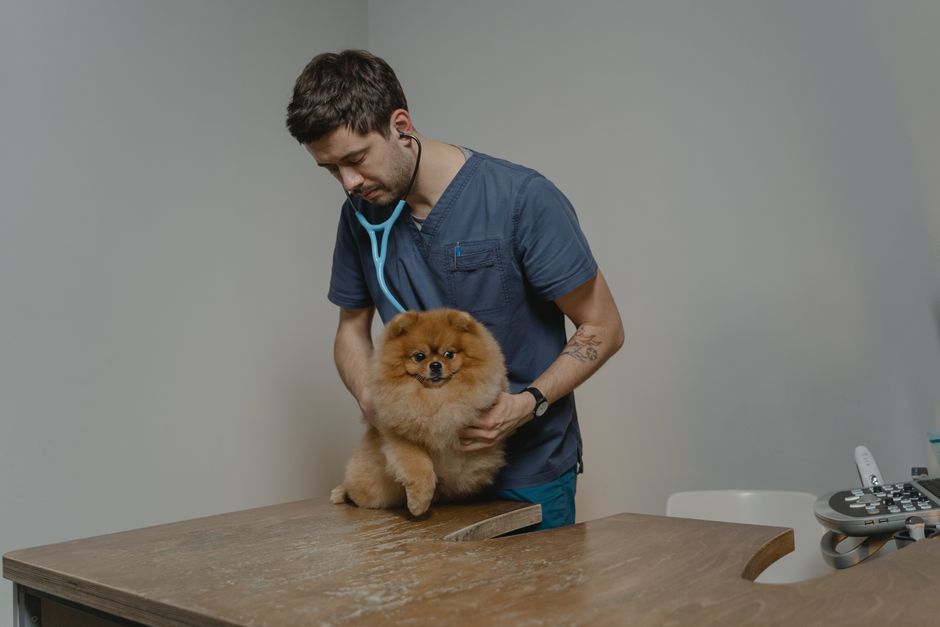
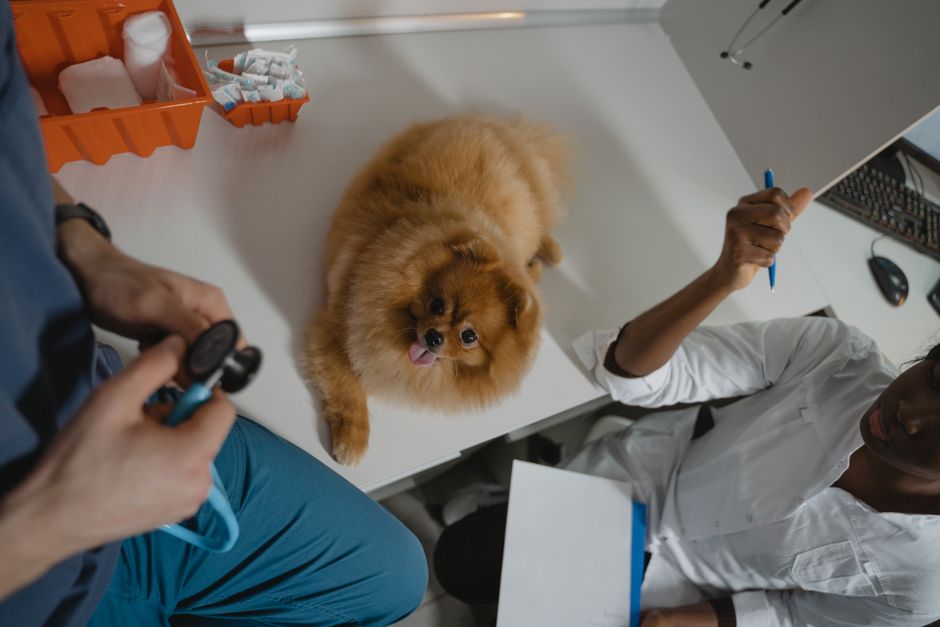
Before surgery, your veterinarian will perform a pre-surgical examination and may recommend lab work such as a complete blood test or heartworm testing if appropriate. This helps us identify any underlying health issues and tailor anesthesia and pain management to your pet’s needs. On the day of the procedure, your pet will receive a general anesthetic and be closely monitored by our veterinary professionals throughout the surgery.
During the spay procedure, the veterinarian will make a small incision, remove the ovaries and usually the uterus, and carefully close the incision site. For a neuter, a small incision is made near the scrotum, and the testicles are removed. Both surgeries are typically completed in under an hour, and most pets are able to go home the same day.
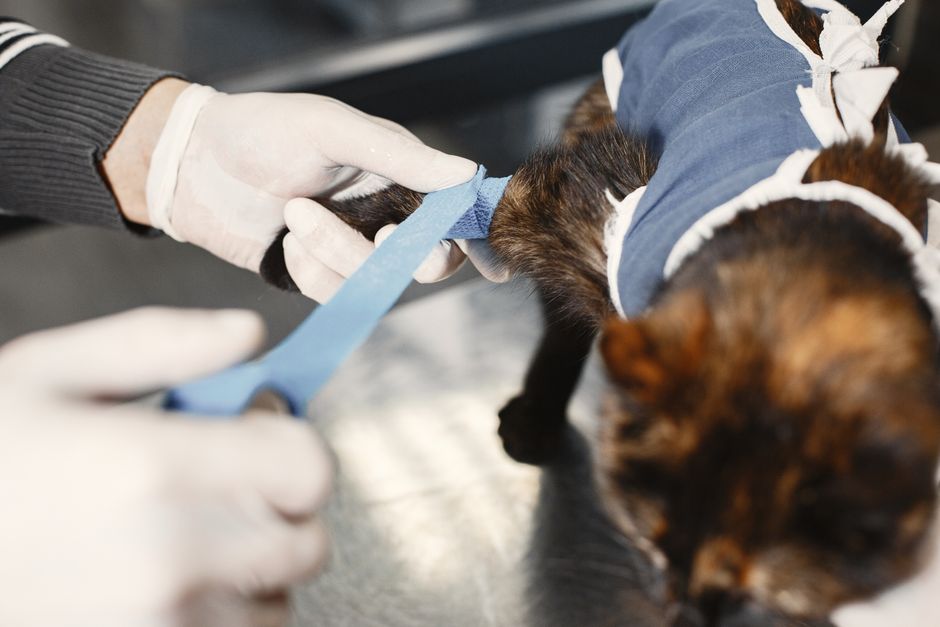
After surgery, your pet may be a bit groggy or sleepy, but most dogs and cats recover quickly. Your veterinary team will provide detailed instructions on how to care for your pet at home, including how to monitor the incision, manage any discomfort, and limit activity during the recovery period. Key signs of a healthy recovery include a clean, dry incision, a good appetite, and a return to normal behavior within a few days. If you notice swelling, redness, discharge, or your pet seems excessively lethargic, contact your veterinarian for guidance.
Home Care and Recovery After Spay or Neuter
Helping your pet recover comfortably after surgery is one of the most important things you can do as a pet owner. The recovery period usually lasts about ten to fourteen days, during which you should limit your pet’s activity, prevent jumping or rough play, and keep your pet from licking or chewing at the incision site. Many veterinarians recommend using an Elizabethan collar (cone) to keep your dog or cat from interfering with the surgical area.
Monitor your pet’s incision daily for signs of redness, swelling, or discharge, and make sure your pet is eating, drinking, and using the bathroom as usual. Mild soreness or a decrease in activity is normal during the first couple of days, but most pets are back to their usual selves quickly. Follow your veterinary team’s instructions regarding medications, feeding, and any follow-up visits.
If you have questions about how to care for your pet after a spay or neuter, or you notice anything unusual during recovery, the team at AM PM Spay & Neuter Clinic is just a phone call away. We are here to support you and your pet every step of the way.
When Should You Contact Your Veterinarian?
While spay and neuter surgeries are routine and typically very safe, there are times when you should reach out to your veterinarian for help. Contact your veterinary team if your pet experiences excessive swelling, redness, or bleeding at the incision site, if there is a bad odor or discharge, or if your pet refuses to eat, vomits, or seems unusually lethargic for more than twenty-four hours after surgery. Additionally, any signs of pain, such as whining, trembling, or reluctance to move, should be reported promptly.
It is also important to consult your veterinarian if you have any concerns about your pet’s health before the procedure, such as coughing, sneezing, vomiting, or diarrhea. These symptoms may require rescheduling the surgery to ensure your pet’s safety under anesthesia.
If you are unsure whether your pet’s behavior or symptoms are normal, it is always better to call your veterinarian and ask. Our veterinary professionals at AM PM Spay & Neuter Clinic are experienced in post-surgical care and are committed to helping your pet recover quickly and comfortably.
Frequently Asked Questions About Spay and Neuter
Pet owners often have questions about the difference between spay and neuter, as well as concerns about anesthesia, age recommendations, and cost. Some common questions include whether pets will gain weight after surgery, if the procedure changes their personality, or how soon after surgery they can return to normal activities.
While some pets may experience changes in metabolism after spay or neuter surgery, weight gain can usually be prevented with a balanced diet and regular exercise. Personality changes are generally positive, with most pets becoming calmer and less likely to engage in problematic behaviors. Your veterinarian will provide clear guidance on when it is safe for your pet to resume walks, playtime, and other activities.
For more information about what to expect before and after surgery, or to learn more about the difference between spay and neuter for your dog or cat, our team is always here to help. We encourage Norwalk pet owners to reach out with any specific questions or concerns.
Why Choose AM PM Spay & Neuter Clinic in Norwalk?
Choosing the right veterinary clinic for your pet’s spay or neuter procedure is an important decision. At AM PM Spay & Neuter Clinic, we are dedicated to providing safe, compassionate care for every patient, from pre-surgical testing to post-operative support. Our experienced veterinary professionals use modern techniques and prioritize your pet’s comfort, safety, and wellbeing throughout the process.
Located at 12852 Pioneer Blvd, Norwalk, CA 90650, we proudly serve Norwalk and the surrounding communities. Our commitment to client education, transparent communication, and ongoing support makes us a trusted resource for pet owners seeking the best care for their dogs and cats.
If you are considering spay or neuter surgery for your pet, our team can answer your questions, provide a customized care plan, and support you through every step of the process.
Take the Next Step for Your Pet’s Health
Understanding the difference between spay and neuter is the first step in making the best health choices for your dog or cat. These routine procedures not only prevent unwanted litters but also provide lasting health and behavioral benefits. At AM PM Spay & Neuter Clinic, our experienced team is committed to helping your pet live a happy, healthy life.
If you are searching for a veterinarian near me in Norwalk or you are ready to schedule a spay or neuter procedure, we invite you to contact our clinic today. You can learn more about our spay and neuter veterinary services or call us at (562) 620-5283 to schedule an appointment. Your pet’s health and happiness are our top priorities, and we look forward to supporting you through every stage of their care.
This information is intended for educational purposes and should not replace professional veterinary advice. Always consult your veterinarian for specific recommendations regarding your pet’s health and surgery.