Helping Your Pet Heal: Aftercare Tips Following Spay or Neuter
Helping Your Pet Heal: Aftercare Tips Following Spay or Neuter
When you bring your dog or cat to AM PM Spay & Neuter Clinic in Norwalk for their spay or neuter surgery, you are taking a major step toward their lifelong health and happiness. As a devoted pet owner, it is natural to feel both relief and concern when your furry friend comes home after their procedure. You want to make sure they heal comfortably, avoid complications, and return to their playful selves as soon as possible. Understanding the essentials of post-surgical care can make all the difference in your pet’s recovery journey.
In this blog, we will walk you through everything you need to know about caring for your pet after a spay or neuter. From recognizing normal healing signs to spotting potential complications, you will learn practical advice tailored for at-home care. We will also cover how to keep your pet comfortable, what activities to avoid, and when it is time to call your veterinarian for extra support. Whether you are in Norwalk or a nearby community, our team at AM PM Spay & Neuter Clinic is here to help your pet heal smoothly and safely.
Recognizing the Healing Process: What to Expect After Spay or Neuter
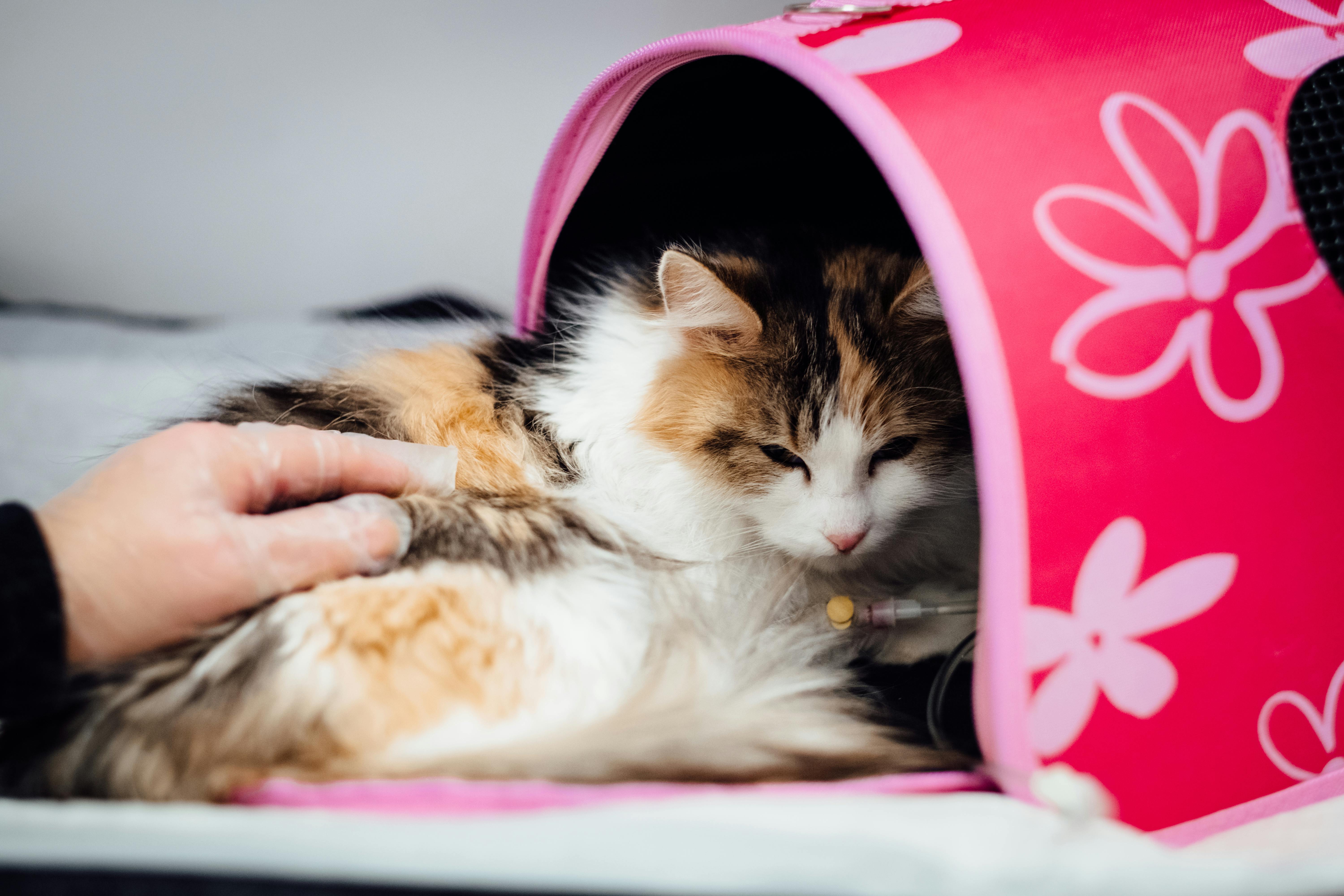
Each pet’s recovery timeline is unique, but most dogs and cats bounce back quickly with the right care. Immediately after surgery, it is common for your pet to feel a bit groggy or tired due to the anesthesia. You might notice that your pet wants to rest more than usual, and their appetite may be reduced in the first 24 hours. Mild swelling or redness at the incision site is expected, but it should not worsen as days go by.
As the days progress, your pet’s energy levels will usually begin to return to normal, and their incision should start to look less irritated. Watch for normal healing signs such as a closed incision with minimal redness, a gradual return of appetite, and increased alertness. Keep in mind that some pets may experience a mild cough from the breathing tube used during anesthesia, which typically resolves within a day.
If you are ever unsure whether your pet’s healing is on track, reach out to your veterinary team for reassurance. Remember, your observations are valuable in helping us support your pet’s recovery.
Understanding Why Spay and Neuter Surgery Requires Special Aftercare
Spaying or neutering involves surgical removal of reproductive organs, which is a routine but significant procedure for your pet. For females, spaying means removal of the uterus and ovaries, while neutering for males involves removing the testicles. These surgeries are performed under general anesthesia in a sterile environment to ensure your pet’s safety.
After the surgery, your pet’s body needs time to heal the incision and adjust to the hormonal changes. Proper aftercare minimizes the risk of infection, prevents your pet from reopening the surgical site, and reduces pain or discomfort during recovery. Pets naturally want to lick or chew at anything that feels different, so monitoring and protecting the incision is essential.
In addition, keeping your dog or cat calm helps prevent complications like swelling or bleeding that can occur if they become too active too soon. Following the guidance of your veterinarian ensures your pet heals quickly and comfortably, so they can return to all the activities they love.
Home Care Tips: Helping Your Pet Heal After Surgery
Supporting your pet’s recovery at home starts with creating a calm, quiet environment. Set up a cozy resting area away from other pets and children, and encourage your pet to relax as much as possible during the first few days after surgery. If your pet is crate trained, this can help keep them safe and limit their movement.
Activity restriction is crucial for at least 10 to 14 days. This means no running, jumping, rough play, or walks beyond short bathroom breaks for dogs. Cats should be kept indoors and away from high places where they might jump. The less strain your pet puts on the incision, the faster it will heal.
Checking the incision daily is important. Look for signs that the area is healing well, such as a clean, dry incision with minimal redness. Do not allow your pet to lick, chew, or scratch at the incision; using an e-collar (cone) or a surgical recovery suit can help prevent this. If your pet seems determined to get at the incision, ask your veterinarian for additional options.
Bathing and swimming should be avoided until your veterinarian gives the all-clear, as moisture can increase the risk of infection. Feeding your pet their regular diet is usually fine, but monitor their appetite and provide plenty of fresh water. Some pets may not feel like eating much the first night home, but appetite should return within a day or two.
Pain management is vital for a comfortable recovery. Your veterinarian will send home appropriate pain medications and instructions. Never give your pet human medications, as some can be toxic to animals. If you run out of pain medication or notice your pet is uncomfortable, call your veterinary team for guidance.
Signs of Trouble: When to Be Concerned About Your Pet’s Recovery
While most pets recover without complications, it is important to recognize warning signs that may indicate a problem. If you notice any of the following, contact your veterinarian promptly:
Signs of infection at the incision include swelling that increases after the first couple of days, redness that gets worse instead of better, discharge or pus, or a foul odor. If your pet has a fever, seems lethargic for more than 48 hours, or refuses to eat or drink, these may also be signs of concern.
Other symptoms to watch for are persistent vomiting or diarrhea, obvious pain (such as whining, panting, or restlessness), or difficulty urinating or defecating. If your pet reopens the incision or if you see significant bleeding, seek veterinary attention immediately.
Sometimes, mild bruising or slight swelling is normal, especially in larger dogs or pets that are more active than recommended. However, if you are unsure whether what you are seeing is normal, it is always best to call your veterinary team for advice.
Preventing Complications: Steps to Support Safe Healing
Prevention plays a key role in helping your pet heal quickly after spay or neuter surgery. Keeping your pet calm and restricting their activity is one of the most effective ways to avoid incision problems. Using an e-collar or recovery suit helps prevent licking or chewing, which can introduce bacteria and delay healing.
Make sure the incision stays clean and dry. Do not apply ointments, creams, or cleaning products unless your veterinarian specifically recommends them. Monitor your pet’s behavior and appetite closely; changes may be the first sign of an issue.
If you have other pets at home, supervise interactions to prevent rough play. Children should be reminded to let your pet rest and recover in peace. Returning for any recommended recheck appointments allows your veterinarian to monitor healing and catch potential problems early.
Following your veterinarian’s instructions for pain management and medication schedules is essential. If you miss a dose, contact your veterinary team for advice rather than doubling up medications.
When to Contact Your Veterinary Team
Knowing when to call your veterinarian can make all the difference in your pet’s recovery. If you notice signs such as increased swelling, redness, discharge, or your pet seems unusually quiet or in pain, reach out right away. Quick action helps prevent small problems from becoming serious health concerns.
It is also important to call your veterinarian if your pet is not eating, is vomiting, or has diarrhea that lasts more than a day. If the incision opens or bleeds, contact your veterinary team immediately. Your observations are the best tool for detecting issues early.
At AM PM Spay & Neuter Clinic in Norwalk, our team of veterinarians is always here to answer your questions and provide support through every stage of your pet’s recovery. Do not hesitate to call for guidance; we are committed to helping your pet heal safely and comfortably.
Local Support for Spay and Neuter Recovery in Norwalk and Surrounding Communities
If you are searching for a vet near me to help with spay or neuter aftercare, AM PM Spay & Neuter Clinic proudly serves Norwalk and surrounding communities. Our experienced veterinary professionals understand how important your pet is to your family, and we are dedicated to making their recovery as smooth and stress-free as possible.
To schedule a follow-up appointment or speak with our team about your pet’s recovery, simply reach out by phone or visit our website. We are here to guide you through every step, whether you are preparing for surgery, managing post-operative care, or have concerns about your pet’s healing.
Remember, every pet deserves a safe and comfortable recovery after spay or neuter surgery. By following the tips outlined above and staying in touch with your veterinary team, you will help your four-legged friend return to their happy, healthy self in no time. If you have any questions or want to schedule an appointment, our caring team at AM PM Spay & Neuter Clinic in Norwalk is ready to help you and your pet every step of the way.
Disclaimer: This blog is intended for informational purposes only and does not replace professional veterinary advice. Always consult your veterinarian for specific concerns about your pet’s health and recovery.