Summer Spay and Neuter Tips for Norwalk Pet Owners

Summer Spay and Neuter Tips for Norwalk Pet Owners
As temperatures rise in Norwalk and the surrounding communities, many pet owners start thinking about scheduling essential veterinary care, including spay and neuter surgeries. At AM PM Spay & Neuter Clinic, we understand that summertime brings unique concerns for your dog or cat’s comfort and safety, especially when planning a surgical procedure. You may wonder how the summer heat could affect your pet’s experience, what you can do to prepare, and how to ensure a smooth recovery after surgery. In this blog, our veterinary team will guide you through what to expect when scheduling a spay or neuter for your four-legged friend during the warmer months. We will cover how to prepare before the procedure, what happens on surgery day, and crucial aftercare tips so your pet stays healthy and happy. As your trusted partner for preventive care in Norwalk, we are committed to helping your pet thrive all year round. If you are ready to learn more about spay and neuter services, you can also visit our spay and neuter information page for details and scheduling.
Recognizing When Your Pet Needs to Be Spayed or Neutered
Many pet owners know that spaying and neutering are recommended for most dogs and cats, but it can be difficult to determine the best timing, especially with seasonal changes in mind. Generally, veterinarians recommend spay or neuter procedures for puppies and kittens before they reach sexual maturity, but adult pets can also benefit from these surgeries if they have not yet been altered. If your pet is approaching six months of age, you may notice behaviors such as increased vocalization, roaming tendencies, marking, or mounting—these are common signs that your dog or cat is reaching reproductive maturity and could benefit from a spay or neuter. For adult pets, unwanted litters, behavioral changes, or recommendations from your veterinary team may signal that now is the right time to schedule surgery. Heat cycles in female cats and dogs can also pose health risks and be stressful for both pets and owners, making timely spaying especially important.
Why Spay and Neuter Surgeries Matter—Especially in the Summer
Spaying and neutering are among the most important preventive care steps you can take for your dog or cat. These surgeries not only prevent unwanted litters but also reduce the risk of diseases such as certain cancers and infections, help manage hormone-driven behaviors, and contribute to the overall health and longevity of your pet. During the summer in Norwalk, animal shelters often see a rise in stray litters, making it even more important to take action if your pet has not yet been altered. Additionally, warmer weather can add stress to both pets and owners, so understanding how to navigate the summer season when scheduling surgery is key. Summer can be a convenient time for many families, as school breaks and vacations may provide more flexibility for post-surgical care. However, the heat brings its own challenges, such as the risk of overheating and dehydration. Being aware of these seasonal nuances helps ensure the safest and most comfortable experience for your pet.
Preparing Your Pet for Spay or Neuter Surgery in the Summer
Effective preparation is crucial for a smooth surgical experience and speedy recovery. Before your appointment, your veterinary team will usually recommend pre-surgical testing to ensure your pet is healthy enough for anesthesia and surgery. These tests often include bloodwork and a basic physical examination. If you would like to learn more about the types of tests involved, visit our pre-surgical testing page for detailed information.
In the days leading up to surgery, it is important to keep your dog or cat cool and well-hydrated. Try to schedule walks or outdoor playtime in the early morning or late evening to avoid the hottest parts of the day. On the night before your pet’s surgery, follow any food and water restrictions provided by your veterinary team, as fasting is usually required. Make sure your pet has a safe, cool place to rest before and after surgery. If you need to transport your pet to the clinic, use air conditioning in your car and never leave your pet unattended in a vehicle, even for a short time. On surgery day, try to keep your pet calm and stress-free; bring a familiar blanket or toy for comfort during their stay at the clinic.
What to Expect on Surgery Day at AM PM Spay & Neuter Clinic
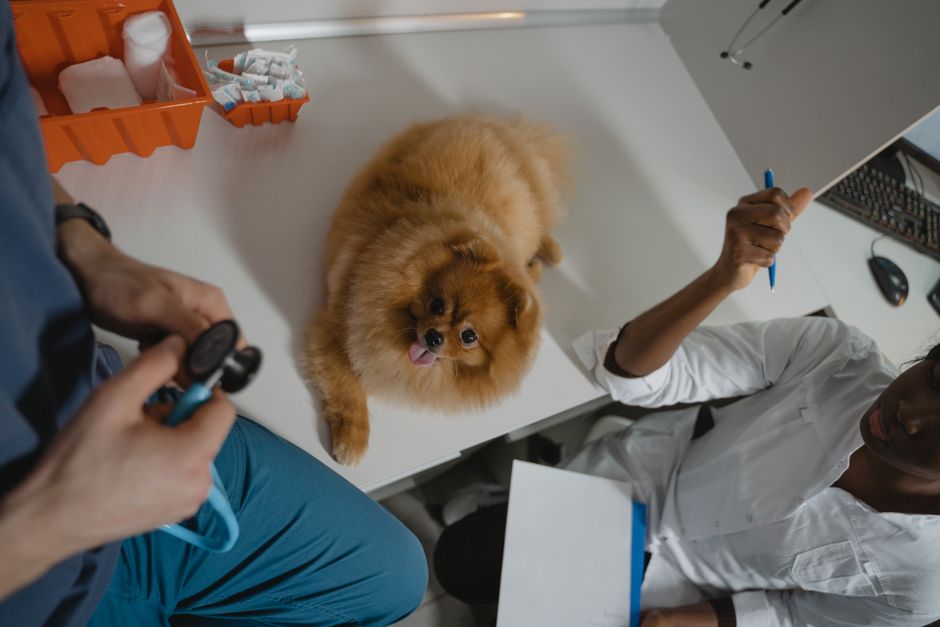
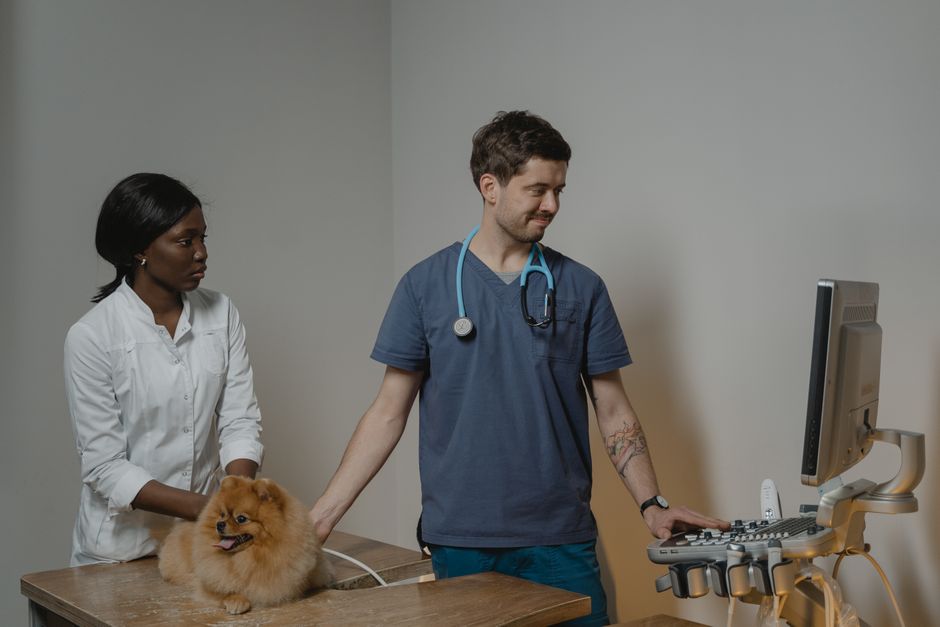
On the day of the procedure, our veterinary professionals will greet you and review your pet’s health status to confirm everything is in order for surgery. We will review any last-minute questions and ensure you understand the process. Your pet will receive individualized care, including monitoring by our veterinary team throughout the procedure and recovery period. Because the summer heat can increase stress and risk for complications, we take extra precautions to keep our clinic at a comfortable temperature and closely watch your pet’s hydration status.
Most spay and neuter surgeries are performed as outpatient procedures, meaning your dog or cat will go home the same day. Once your pet is awake and stable, our team will provide detailed instructions for at-home care and answer any questions you may have. Your pet may be a bit groggy or disoriented after anesthesia; this is normal and should pass with rest in a quiet, comfortable space.
Aftercare Tips for a Smooth Summer Recovery
A successful recovery is key to your pet’s long-term health and comfort. After surgery, your pet will need extra care and attention, especially during the warm summer months. Keep your pet indoors as much as possible during the initial recovery period. This helps prevent overheating and limits exposure to outdoor bacteria, dirt, and insects that could compromise the surgical site. Monitor the incision daily for signs of redness, swelling, discharge, or an unpleasant odor, which could indicate infection.
Encourage your pet to rest and avoid running, jumping, or rough play for at least 10 to 14 days after surgery. If your pet seems restless or uncomfortable in the heat, set up a cool, shaded recovery area with access to fresh water at all times. Use an Elizabethan collar if your dog or cat tries to lick or chew at the incision. Appetite may be reduced for the first 24 hours, but normal eating and drinking should resume quickly. If your pet shows signs such as lethargy, vomiting, refusal to eat or drink, or persistent pain, contact your veterinarian promptly.
In the summer, dehydration is a particular concern. Signs your pet may be getting too warm or dehydrated include excessive panting, drooling, bright red gums, weakness, or collapse. If you notice these symptoms, move your pet to a cooler area and contact your veterinary team for advice.
Preventing Complications and Supporting Healing at Home
Supporting your pet’s healing at home goes beyond simply monitoring the incision. Make sure your pet’s activity is restricted, and follow all medication and feeding instructions from your veterinarian. If you have children or other pets at home, supervise their interactions to prevent accidental bumps or roughhousing. Clean bedding and a quiet space are essential, especially during hot weather. Gently wipe away any dirt or debris from your pet’s fur, but avoid getting the incision wet until your veterinarian confirms it is safe to do so.
If you are planning summer trips or have a busy schedule, arrange for someone responsible to watch your pet or adjust your plans to accommodate their recovery needs. Communication with your veterinary team is important; if you have any questions or concerns during the recovery period, do not hesitate to call.
When to Contact Your Veterinarian
Most pets recover uneventfully from spay or neuter surgery, but it is essential to recognize when professional help is needed. Warning signs that require prompt veterinary attention include severe swelling or bleeding from the incision, persistent vomiting or diarrhea, refusal to eat or drink for more than 24 hours, difficulty breathing, or signs of heatstroke such as collapse or seizures. Timely intervention can prevent minor issues from becoming serious complications. If you are ever unsure whether your pet’s symptoms are normal, reach out to the veterinary professionals at AM PM Spay & Neuter Clinic for guidance and support.
Why Choose AM PM Spay & Neuter Clinic for Your Pet’s Surgery This Summer?
Choosing the right veterinary clinic for spay or neuter surgery is crucial for your pet’s safety and well-being, especially during the hot summer months. At AM PM Spay & Neuter Clinic, our compassionate team is dedicated to providing the highest standard of care for each patient. We use advanced monitoring and surgical techniques to ensure your pet’s comfort and safety from check-in to recovery. Our clinic at 12852 Pioneer Blvd, Norwalk, CA 90650 is conveniently located for pet owners in Norwalk and the surrounding communities, making it easy to access expert care close to home.
Our veterinary team is happy to answer your questions about spay and neuter services, recommend the best timing for your pet, and provide personalized aftercare support. We encourage pet owners searching for a "vet near me" to consider our clinic for safe, compassionate, and expert surgical care.
Ready to Schedule Your Pet’s Spay or Neuter?
If you are considering summer spay or neuter surgery for your dog or cat, now is the perfect time to schedule an appointment with AM PM Spay & Neuter Clinic. Our veterinary professionals are here to guide you through every step of the process, from pre-surgical testing to post-operative care and recovery. Keeping your pet healthy and happy is our top priority. To schedule your visit or speak with a member of our veterinary team, call (562) 620-5283 or visit us at 12852 Pioneer Blvd, Norwalk, CA 90650. For more information about preparing for your pet's procedure, you can also review our pre-surgical testing details. Let us help you ensure your four-legged friend enjoys a safe, comfortable summer and a lifetime of health and happiness.
This blog is intended for educational purposes only and does not replace professional veterinary advice. Always consult your veterinarian for recommendations tailored to your pet’s individual needs.