The Difference Between Spay and Neuter for Pets

The Difference Between Spay and Neuter for Pets: What Norwalk Pet Owners Need to Know
If you are a responsible pet owner in Norwalk, you may have wondered about the difference between spay and neuter procedures and how they support your dog or cat’s health. Understanding these essential surgeries is a key step in making informed decisions for your pet’s wellbeing. At AM PM Spay & Neuter Clinic, our team of veterinarians is dedicated to ensuring your four-legged family members receive compassionate, high-quality care here in Norwalk and surrounding communities. In this blog, we will explain the difference between spay and neuter, discuss why these surgeries matter, outline what to expect before and after your pet’s procedure, and share how our clinic guides you through every step. Whether you have a new puppy or kitten, or you are considering surgery for an adult pet, our goal is to help you feel confident and supported in your decision.
To help you prepare, we will also discuss signs that your pet might benefit from spay or neuter, common questions about the procedures, and how you can take advantage of our spay and neuter services here at AM PM Spay & Neuter Clinic. Let’s start by exploring the basics of each procedure and why they are so important for the health and happiness of your pet.
Recognizing When Spay or Neuter Applies to Your Pet
Many pet owners wonder when is the right time to consider spay or neuter for their pets. Typically, these procedures are recommended for puppies and kittens around six months of age, although adult dogs and cats can also benefit. If you have recently adopted a pet that has not yet undergone surgery, or if your veterinarian has brought up the topic during a wellness exam, it is likely time to start planning.
Signs that your pet is reaching sexual maturity can include behaviors such as roaming to find mates, urine marking around the house, vocalizing more than usual (especially in female cats), and, in male pets, increased aggression or mounting. Female dogs and cats will also experience heat cycles, which can result in spotting, behavioral changes, and increased attraction of male animals. If you notice any of these signs, it may be an indication that spay or neuter could help address unwanted behaviors and support your pet’s overall health.
It is also common for owners to consider these procedures when they want to prevent accidental litters, avoid certain medical risks, or reduce the likelihood of behavioral challenges that can develop as pets mature. Our team at AM PM Spay & Neuter Clinic works closely with you to determine the best timing based on your pet’s age, breed, and overall health status.
What Is the Difference Between Spay and Neuter?
Understanding the difference between spay and neuter is essential for every pet owner. While both procedures are routine surgeries performed under anesthesia, they serve similar purposes in preventing unwanted pregnancies and supporting long-term health, but the methods vary based on your pet’s sex.
Spaying refers to the surgical removal of the ovaries and usually the uterus in female pets. This procedure eliminates heat cycles, prevents pregnancy, and reduces the risk of certain health issues such as uterine infections (pyometra) and mammary tumors. Neutering, on the other hand, is the removal of the testicles in male pets. Neutering stops the production of sperm, prevents reproduction, and can curb undesirable behaviors linked to hormones, such as marking, roaming, and aggression. Additionally, neutering male pets reduces the risk of testicular cancer and can lower the likelihood of prostate problems as they age.
Both spay and neuter surgeries are highly effective and widely recommended by veterinarians to promote a longer, healthier life for your pet. The procedures also contribute to reducing pet overpopulation, which helps limit the number of homeless animals in Norwalk and throughout Los Angeles County. For pet owners who want to learn more about the technical aspects and benefits of these procedures, our dedicated spay and neuter information page is a helpful resource.
Why Do Pets Need to Be Spayed or Neutered?
There are several important reasons to consider spay or neuter surgery for your dog or cat. The most immediate benefit is preventing unwanted litters, which plays a vital role in reducing the number of stray and abandoned animals in our community. In a region as busy and densely populated as Norwalk, unplanned litters can quickly contribute to shelter overcrowding and the challenges faced by animal rescue organizations.
Health benefits are also significant. In female pets, spaying before the first heat cycle dramatically decreases the risk of mammary cancer and eliminates the possibility of life-threatening uterine infections. Male pets benefit from neutering through a reduced risk of testicular cancer and fewer prostate issues later in life. Additionally, the procedures can improve behavior by reducing hormone-driven actions such as spraying, mounting, or aggression, making life at home more peaceful for you and your pet.
Community-wide, spay and neuter help control the pet population and protect the welfare of animals throughout Norwalk and neighboring areas. By choosing these surgeries, you are making a responsible decision that supports animal health on a much larger scale.
What to Expect: Preparing Your Pet for Spay or Neuter Surgery
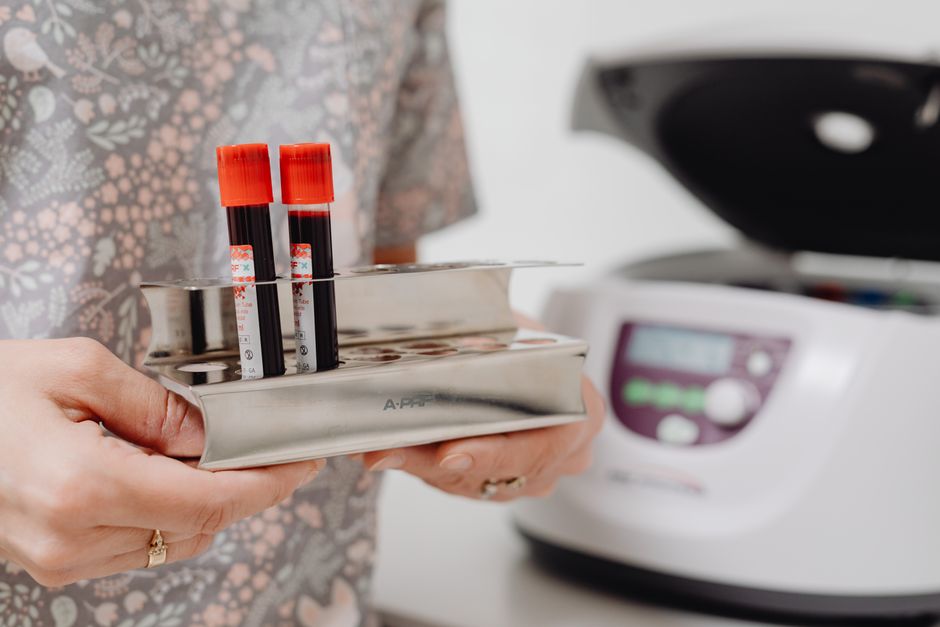
Preparation is an important part of ensuring a safe and smooth surgical experience for your pet. Before the procedure, your veterinarian will typically recommend a physical exam and may advise pre-surgical bloodwork to assess your pet’s overall health and identify any potential risks. At AM PM Spay & Neuter Clinic, our pre-surgical testing service helps us create a personalized plan for your pet’s surgery, taking into account age, breed, medical history, and any concurrent health concerns.
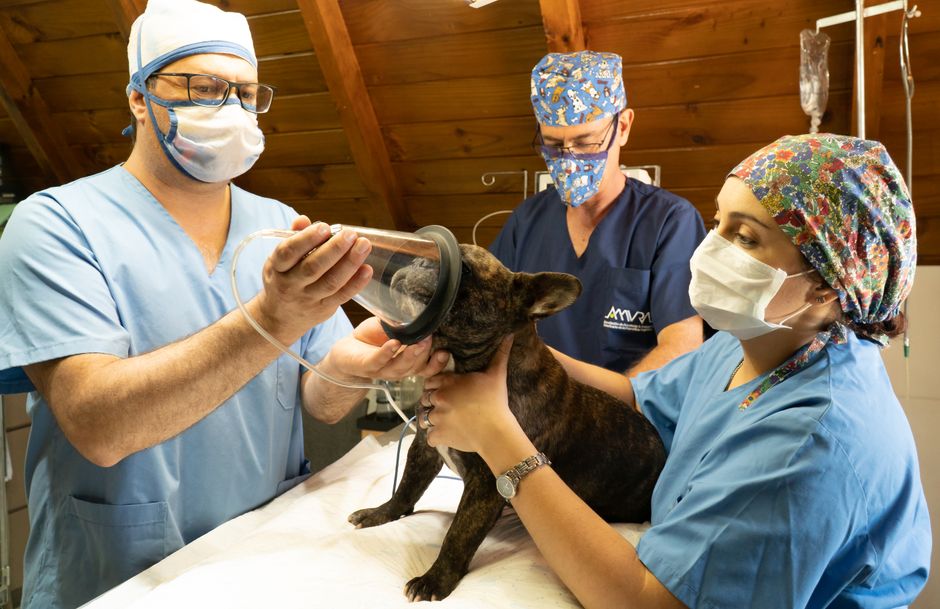
On the day of surgery, your pet will need to fast for a specified period, usually overnight, to minimize the risk of complications during anesthesia. Our veterinary team will provide detailed instructions tailored to your pet’s needs. The procedures themselves are performed under general anesthesia; spaying is typically a slightly longer surgery than neutering due to the anatomy involved, but both are commonly completed within a few hours. Your pet will be carefully monitored before, during, and after surgery to ensure their safety.
Afterward, pets are usually able to go home the same day. You will receive clear instructions for home care, including managing activity levels, monitoring the incision site for signs of infection, and administering any prescribed pain medication. Most pets recover quickly, returning to their usual routines within a week or two.
Recovery and Home Care After Spay or Neuter
Supporting your pet during their recovery is an important part of the process. Most pets experience only mild discomfort after spay or neuter, and our team will provide guidance to help them heal comfortably. Key steps to a smooth recovery include keeping your pet calm and limiting activity for about 10-14 days, inspecting the incision for redness, swelling, or discharge, and preventing your pet from licking or chewing at the surgical site. An Elizabethan collar (cone) may be recommended for some pets.
Additionally, it is important to follow any medication instructions provided by your veterinarian and to complete the full course of pain relief or antibiotics if prescribed. Appetite may be slightly reduced for a day or two, but normal eating and drinking should resume quickly. If you notice persistent lethargy, vomiting, diarrhea, loss of appetite, or any signs of pain, contact your veterinarian immediately.
Our team is here to answer your questions and offer reassurance throughout your pet’s recovery. We believe that clear communication and compassionate support make all the difference for pets and their owners during the post-surgical period.
When to Seek Veterinary Care or Advice
While spay and neuter surgeries are considered routine, it is always wise to know when to seek professional help. If your pet’s incision becomes red, swollen, or starts to ooze, or if your pet appears unusually lethargic or refuses to eat and drink for more than a day, contact your veterinarian promptly. Other warning signs include persistent vomiting, diarrhea, difficulty breathing, or any sudden changes in behavior.
It’s also important to reach out if you have questions about your pet’s recovery, are concerned about pain management, or notice your pet trying to remove their stitches. Our veterinary professionals at AM PM Spay & Neuter Clinic encourage you to call or schedule an appointment at any point if you have concerns. We are dedicated to making sure your pet’s experience is as safe and stress-free as possible.
Understanding the Cost and Planning for Surgery
Cost is often a consideration for pet owners planning spay or neuter surgery. At AM PM Spay & Neuter Clinic, we strive to keep our pricing transparent and accessible. You can view our current price chart for spay and neuter procedures to understand what is included and plan accordingly. Our team is happy to discuss payment options, answer questions about the services provided, and help you choose the best approach for your pet and family.
We believe that every pet should have access to high-quality care, and we are committed to working with you to remove barriers wherever possible.
How Spay and Neuter Support Your Pet’s Long-Term Health
The benefits of spay and neuter surgery extend well beyond preventing unwanted litters. By eliminating the risk of certain cancers and infections, supporting better behavior at home, and reducing hormone-driven stress, these procedures pave the way for a longer, healthier life for your beloved dog or cat.
Additionally, spay and neuter help ease the burden on animal shelters and rescue organizations in Norwalk and throughout the greater Los Angeles area. When you make this choice for your pet, you are not only investing in their health but also becoming part of a compassionate community effort to promote animal welfare.
Choosing AM PM Spay & Neuter Clinic for Your Pet’s Surgery
Selecting the right veterinary team to perform your pet’s spay or neuter is an important decision. At AM PM Spay & Neuter Clinic, our experienced veterinarians and support staff are dedicated to providing gentle, thorough care before, during, and after surgery. We take time to answer all your questions, explain the difference between spay and neuter in detail, and ensure your pet’s safety at every stage.
Our clinic is conveniently located at 12852 Pioneer Blvd, Norwalk, CA 90650, making it easy for pet owners throughout Norwalk and nearby communities to access our services. We invite you to explore our spay and neuter information and reach out with any questions.
Take the Next Step for Your Pet’s Health
Understanding the difference between spay and neuter gives you the knowledge to make the best choices for your pet’s future. If you are ready to schedule a spay or neuter appointment, or if you have questions about the process, our veterinary team at AM PM Spay & Neuter Clinic is here to help. We are committed to caring for your pet as if they were our own, offering expert guidance and support throughout the entire experience.
When searching for a veterinarian near me in Norwalk, trust AM PM Spay & Neuter Clinic for compassionate, professional care. To learn more or to schedule an appointment, call us at (562) 620-5283 or visit us at 12852 Pioneer Blvd, Norwalk, CA 90650. We look forward to supporting the health and happiness of your pet for years to come.
This blog is intended for informational purposes only and does not replace professional veterinary advice. Please consult your veterinarian for guidance specific to your pet’s needs.