Understanding the Difference Between Spay and Neuter for Pets
Understanding the Difference Between Spay and Neuter for Pets
When it comes to responsible pet ownership, one of the most important decisions you’ll make for your dog or cat is whether to have them spayed or neutered. Many pet owners in Norwalk and surrounding communities visit AM PM Spay & Neuter Clinic with questions about these procedures—what they involve, how they differ, and why they matter for your pet’s health. If you’ve ever wondered about the difference between spay and neuter, you’re not alone; understanding each surgery will help you make the best choices for your beloved companion. In this comprehensive guide, we’ll explain what spaying and neutering mean, discuss their benefits, and offer expert advice on what to expect during your visit to our Norwalk location. You’ll also find practical tips for preparing your pet and insights on why these procedures play such a vital role in animal health and welfare.
Recognizing When Spay or Neuter Applies to Your Pet
Many pet owners first encounter the topic of spay or neuter when they welcome a new puppy or kitten into the family, adopt a rescue, or notice behavioral and health changes in their adult dog or cat. Deciding when to schedule the procedure depends on factors like age, breed, and your pet’s overall health. Generally, veterinarians recommend spaying or neutering before your pet reaches sexual maturity, which often means between four and six months of age for cats and small dogs, and slightly later for larger breeds.
You might notice certain behaviors that prompt you to consider spaying or neutering. For example, female dogs and cats may go into heat, displaying signs such as restlessness, vocalizing, or attracting unwanted attention from males. Male pets may start marking territory, roaming, or showing mounting behavior. These signs are not just inconvenient for households; they can also increase the risks of injuries, unwanted litters, and certain diseases. If you’re seeing these changes or simply want to be proactive, it’s a good time to discuss the difference between spay and neuter with our veterinary team.
Understanding the Difference Between Spay and Neuter
At its core, the difference between spay and neuter comes down to the procedure performed and the sex of your pet. Spaying refers to the surgical removal of the ovaries and usually the uterus in female dogs and cats, while neutering (also known as castration) involves removing the testicles in male pets. Both are routine surgeries performed under anesthesia, designed to prevent pets from reproducing.
Spaying is sometimes called an ovariohysterectomy, and it is a bit more involved than neutering because it requires entry into the abdominal cavity. Neutering, on the other hand, is typically quicker with a smaller incision. Despite these technical differences, both procedures are considered safe and effective when performed by experienced veterinary professionals like those at AM PM Spay & Neuter Clinic. For more details about what’s involved in these surgeries, you can explore our spay & neuter veterinary services for pets.
Why Are Spaying and Neutering Important?
Spaying and neutering are about much more than population control, though preventing unwanted litters is a significant benefit. These procedures also offer substantial health and behavioral advantages for both dogs and cats. Female pets who are spayed before their first heat cycle have a greatly reduced risk of developing mammary tumors and are completely protected from potentially deadly uterine infections known as pyometra. Male pets who are neutered have no risk of testicular cancer and a lower likelihood of developing prostate issues.
Behavioral improvements are another key reason to consider these procedures. Spayed females will not go into heat, which means less yowling, restlessness, or the presence of male animals around your home. Neutered males are less likely to roam, mark territory with urine, or display aggression fueled by hormonal surges. This can make your relationship with your pet smoother and help keep them safer in the long run.
How the Procedures Are Performed: What to Expect
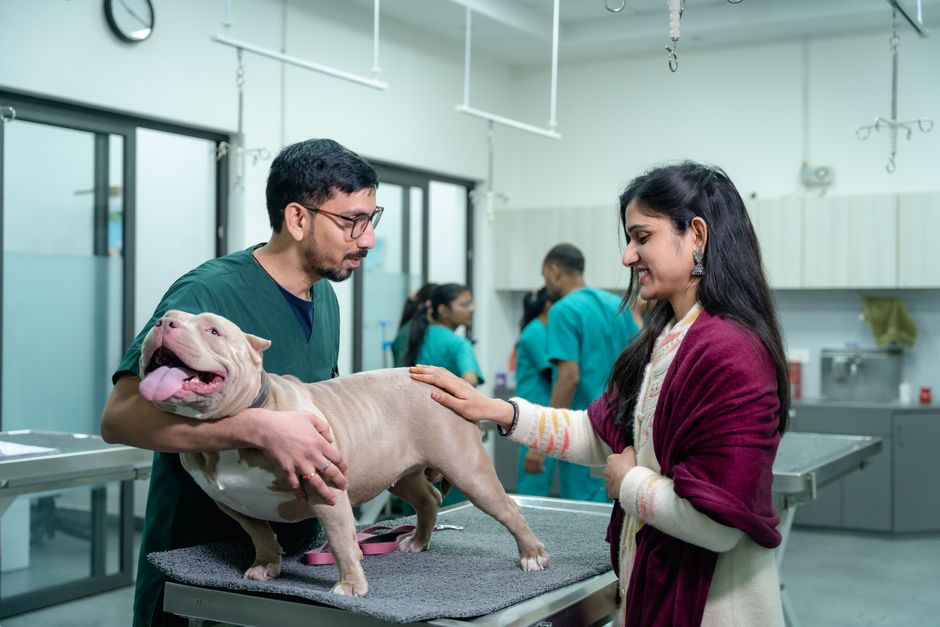
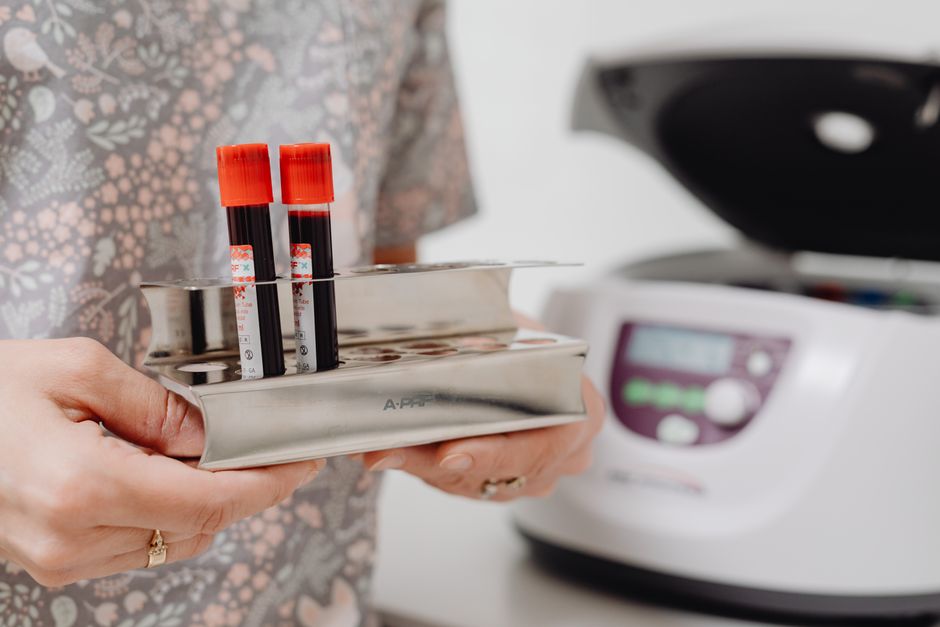
When you bring your pet to AM PM Spay & Neuter Clinic in Norwalk, you can expect a thorough and compassionate approach every step of the way. Before surgery, our veterinary team will conduct a pre-surgical evaluation to ensure your pet is healthy enough for anesthesia. This may involve a physical examination and, depending on your pet’s age and health, laboratory testing. More information about these important steps is available on our page about necessary health checks before spay or neuter surgery.
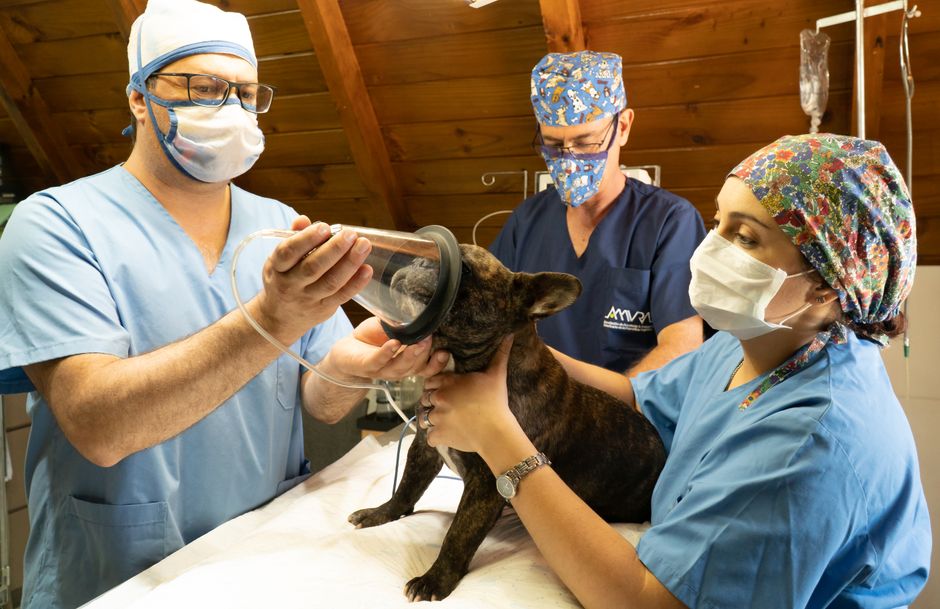
On the day of the procedure, your pet will be admitted to the clinic and cared for by trained veterinary professionals. Both spay and neuter surgeries are performed under general anesthesia. During a spay, the veterinarian makes a small incision in the abdomen to remove the ovaries and uterus; for a neuter, the incision is made near the scrotum to remove the testicles. After surgery, your pet will be monitored during recovery, and most dogs and cats are able to go home the same day.
Our team will provide detailed instructions for at-home care, including how to monitor the surgical site, manage pain, and support your pet’s recovery. Most pets experience some mild discomfort and may need to wear an Elizabethan collar (often called a “cone”) to prevent licking. Full recovery typically takes about 10 to 14 days, after which your pet can return to their normal activities.
Preparing Your Pet for Spay or Neuter Surgery
Taking simple steps before surgery can make a big difference in your pet’s comfort and recovery. It is important to follow pre-surgical instructions provided by your veterinarian, such as withholding food after midnight prior to the procedure and ensuring your pet is up to date on vaccinations. If your dog or cat is on any medications or has special health needs, let our veterinary team know during your appointment so we can tailor the care plan.
Bringing your pet’s favorite blanket or a familiar toy to the clinic can help ease anxiety on the day of surgery. After the procedure, create a quiet, comfortable space at home where your pet can rest without disturbances from other animals or young children. Monitoring your pet closely for the first few days is essential; watch for signs of pain, swelling, or discharge at the incision site, and contact us if you have any concerns.
Prevention and Home Care After Surgery
Caring for your pet after a spay or neuter is straightforward, but attentive home care is crucial for a smooth recovery. Limit your pet’s activity by keeping them indoors and discouraging jumping or rough play for the first week or two. Check the incision daily for redness, swelling, or discharge, and ensure your pet does not lick or chew at the stitches. If your pet seems excessively lethargic, refuses to eat, or develops a fever, it is important to call your veterinarian promptly.
Pain management is also a priority. Our veterinary team will provide safe, effective pain relief tailored to your pet’s needs. Do not give human pain medications unless specifically prescribed by your veterinarian, as many drugs can be dangerous for dogs and cats. Your pet’s appetite and behavior should return to normal within a few days, and most pets recover quickly with minimal complications.
When to Seek Veterinary Care After Spay or Neuter
While complications are rare after spaying or neutering, some situations require prompt veterinary attention. Contact our clinic if you notice persistent bleeding, significant swelling at the surgical site, foul-smelling discharge, or if your pet seems to be in ongoing pain despite medication. Signs such as persistent vomiting, difficulty breathing, or collapse are emergencies and require immediate care. For any questions or concerns during your pet’s recovery, our veterinary professionals are here to support you at every step.
The Bigger Picture: Spaying, Neutering, and Community Health
Choosing to spay or neuter your pet is a responsible decision that helps prevent the cycle of unwanted litters in Norwalk and the surrounding communities. Every year, thousands of dogs and cats enter shelters due to accidental or unplanned litters; by choosing these procedures, you’re playing a vital role in reducing pet overpopulation and supporting animal welfare. Beyond the health and behavioral benefits for your own pet, you’re making a positive impact on the entire community.
Frequently Asked Questions About the Difference Between Spay and Neuter
Pet owners often have questions about timing, safety, and the effects of these surgeries. Common concerns include whether a dog or cat will gain weight after surgery, how soon they can resume normal activities, and whether personality changes will occur. While some pets may experience a slight decrease in metabolism after spay or neuter, proper diet and exercise will keep your pet healthy and active. Most personality traits remain the same, although hormone-driven behaviors may decrease, making your pet calmer and more focused on family life.
If you’re unsure about the right age or have concerns about your pet’s health, our veterinarians can provide personalized recommendations based on your pet’s breed, size, and lifestyle.
Choosing the Right Clinic for Spay and Neuter in Norwalk
When considering spay or neuter for your dog or cat, it is important to choose a veterinary team with experience, compassion, and a focus on preventive care. At AM PM Spay & Neuter Clinic, our veterinarians are dedicated to making the process as safe and stress-free as possible for both you and your pet. Our spay & neuter veterinary services for pets are designed to support your pet’s health from pre-surgical testing through recovery, right here at our Norwalk location.
Take the Next Step: Schedule Your Pet’s Spay or Neuter Today
Understanding the difference between spay and neuter empowers you to make informed choices for your dog or cat’s long-term wellbeing. Whether you are welcoming a new puppy or kitten or considering surgery for an adult pet, our team at AM PM Spay & Neuter Clinic is here to help every step of the way. Scheduling an appointment is easy; simply call us at (562) 282-0583 or visit us at 12852 Pioneer Blvd, Norwalk, CA, 90650.
If you’re searching for a veterinarian near me who prioritizes your pet’s safety, comfort, and health, look no further than our dedicated veterinary professionals. For more information about our services, including pre-surgical testing for pets, reach out today. Your commitment to responsible pet ownership is the first step in giving your pet a healthier, happier life—and we’re honored to be your trusted partner on that journey.
Medical Disclaimer: The information in this blog is intended for educational purposes only and does not replace professional veterinary advice. Always consult with your veterinarian regarding your pet’s specific needs and health conditions.